Amir Keller · 16 September 2026
Decoding the Impact of Technical Transitions on Keyword Visibility Landscapes
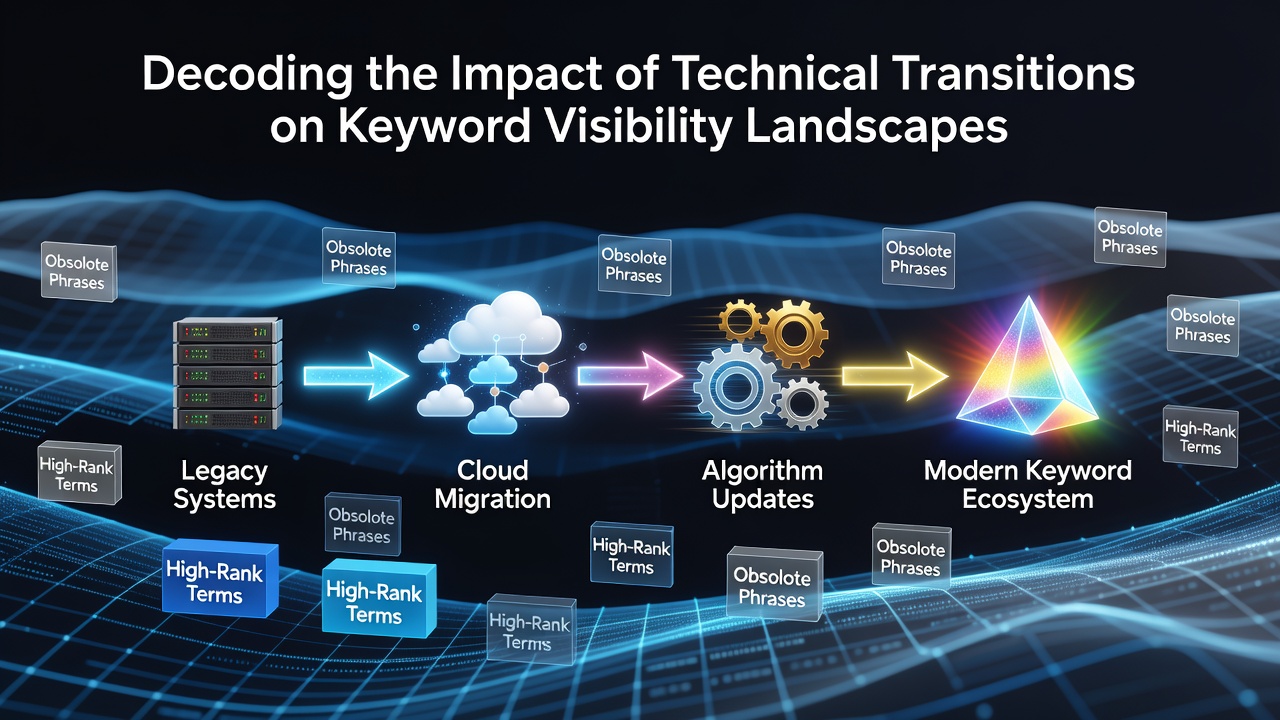
Technical transitions reshape how search engines crawl, index, and rank web content, which in turn alters keyword visibility across entire domains. Site migrations, protocol upgrades, rendering changes, and indexing framework updates each carry measurable effects on organic rankings. Observers note that these shifts often produce temporary or lasting fluctuations in keyword positions, with data from industry reports showing recovery timelines ranging from weeks to several months depending on the scale of the change.
Core Categories of Technical Transitions
Web professionals categorize transitions into several groups. Protocol migrations from HTTP to HTTPS alter crawl behavior and security signals. Domain moves and structural redesigns require careful redirect mapping to preserve equity. Rendering updates, such as the shift from server-side to client-side JavaScript frameworks, change how content becomes available to crawlers. Indexing policy adjustments, including modifications to how search engines handle duplicate content or canonical signals, further influence visibility outcomes.
Each category produces distinct patterns in keyword data. HTTPS migrations, for instance, tend to stabilize after initial crawl budget reallocations, while JavaScript-heavy implementations sometimes require additional rendering resources that delay full indexation. Research from academic institutions tracking large-scale site changes indicates that sites completing proper redirect chains maintain higher percentages of pre-transition keyword rankings compared with those that leave gaps in their implementation plans.
Measurement Approaches and Data Patterns
Analysts track visibility through rank tracking tools that monitor keyword sets across multiple search engine result pages. Pre-transition and post-transition snapshots reveal percentage changes in average position, impression share, and click distribution. Studies from research organizations in North America and Europe demonstrate that sites undergoing simultaneous protocol and domain changes experience compounded effects, with visibility drops exceeding those observed in isolated updates.
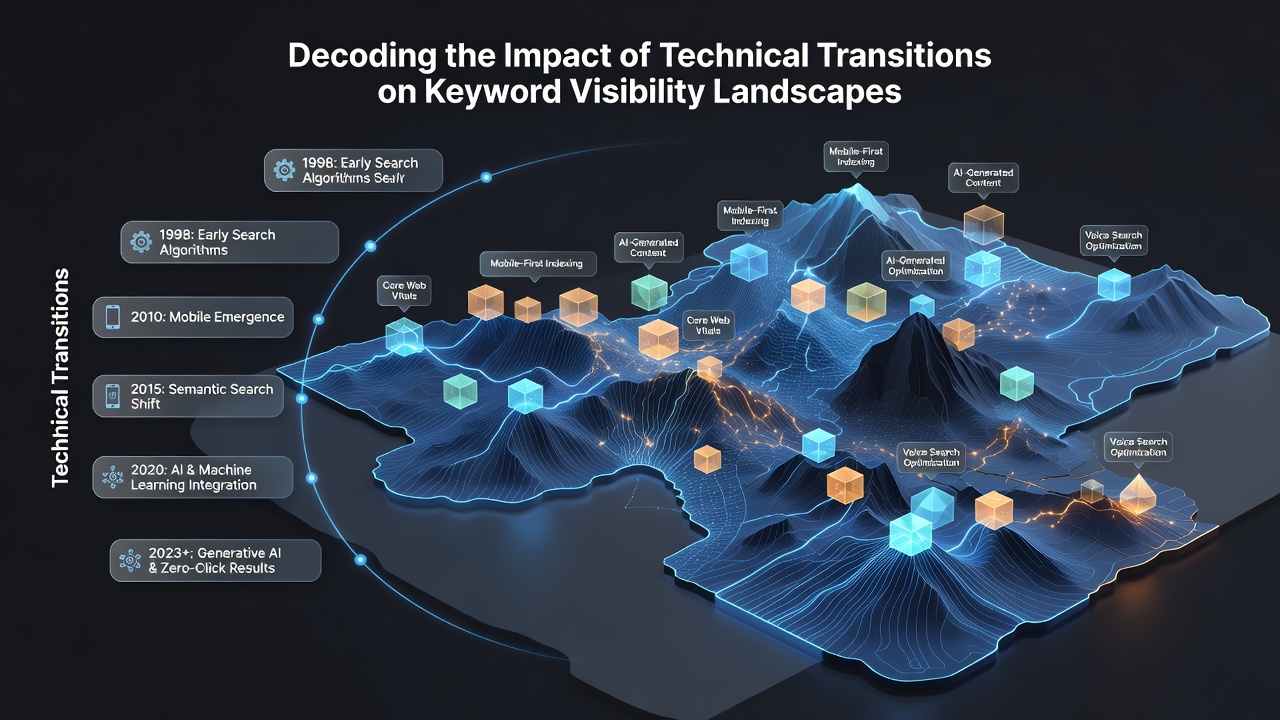
September 2026 marks the scheduled rollout of updated rendering guidelines from several major search providers, which will place greater emphasis on core web vitals measured during mobile-first indexing passes. Preparation involves auditing JavaScript execution times and ensuring critical content loads within established thresholds. Those who have monitored similar policy shifts report that sites optimized ahead of such deadlines retain steadier keyword landscapes than those addressing issues reactively.
Redirect Strategies and Indexation Continuity
Proper redirect implementation remains central to preserving keyword visibility during domain or URL structure changes. Temporary 302 redirects signal different intent to crawlers than permanent 301 redirects, and prolonged use of either type can fragment signals. Data from large-scale audits conducted by industry consortia show that chains exceeding three hops correlate with measurable declines in indexed pages and associated keyword rankings.
Canonical tags and hreflang annotations also require verification during transitions. When multiple versions of content exist across regions or protocols, inconsistent signals can split visibility among duplicate entries. Experts at organizations such as the National Institute of Standards and Technology have documented how standardized metadata practices reduce these fragmentation risks across international deployments.
Rendering and Crawl Efficiency Factors
Modern sites increasingly rely on dynamic content generation. Search engines allocate rendering resources based on observed performance and priority signals. Transitions that increase JavaScript payload sizes without corresponding optimization frequently result in delayed or incomplete indexing of key pages. Longitudinal analyses published in university research papers indicate that sites adopting efficient hydration techniques and server-side rendering hybrids recover keyword visibility faster after such changes.
Log file analysis provides direct evidence of crawler behavior before and after transitions. Patterns in request frequency, response codes, and resource consumption help identify whether search engines have fully adapted to new architectures. Teams that integrate these logs with rank tracking data obtain clearer pictures of how technical adjustments translate into visibility metrics.
Conclusion
Technical transitions continue to exert direct influence on keyword visibility landscapes through their effects on crawlability, indexation completeness, and ranking signal continuity. Organizations that map dependencies, test redirect chains, optimize rendering performance, and monitor post-transition data achieve more predictable outcomes. As new rendering standards approach in September 2026, systematic preparation based on documented patterns offers a pathway to maintain established visibility levels across evolving infrastructure environments.